

 23 juni 2026
The Frequency of Freedom is a transnational heritage project that addresses the absence of Cape Coloured heritage and performance traditions in Dutch archives and public memory. This community’s roots lie in the forced displacement and enslavement of people from Asia and Africa during Dutch colonial rule at the Cape. While attention in the Netherlands has rightly turned to the trans-Atlantic slave trade, the VOC-era legacy of slavery at the Cape remains largely overlooked, with little to no representation in national heritage institutions.
Through a collaboration between Manvrou (Cape Town) and Zuid-Afrikahuis (Amsterdam), this project creates a community-owned digital archive documenting the musical and performative practices of Cape-based choirs and troupes. These practices are sustained year-round through intensive coaching, rehearsals, and competitions, culminating in the Tweede Nuwe Jaar — a powerful communal celebration that marks the only day enslaved people were historically allowed to gather. The archive will include recordings, oral histories, podcasts, and video documentation, and will be hosted at Zuid-Afrikahuis as a permanent collection accessible to South African, Dutch, and global audiences.
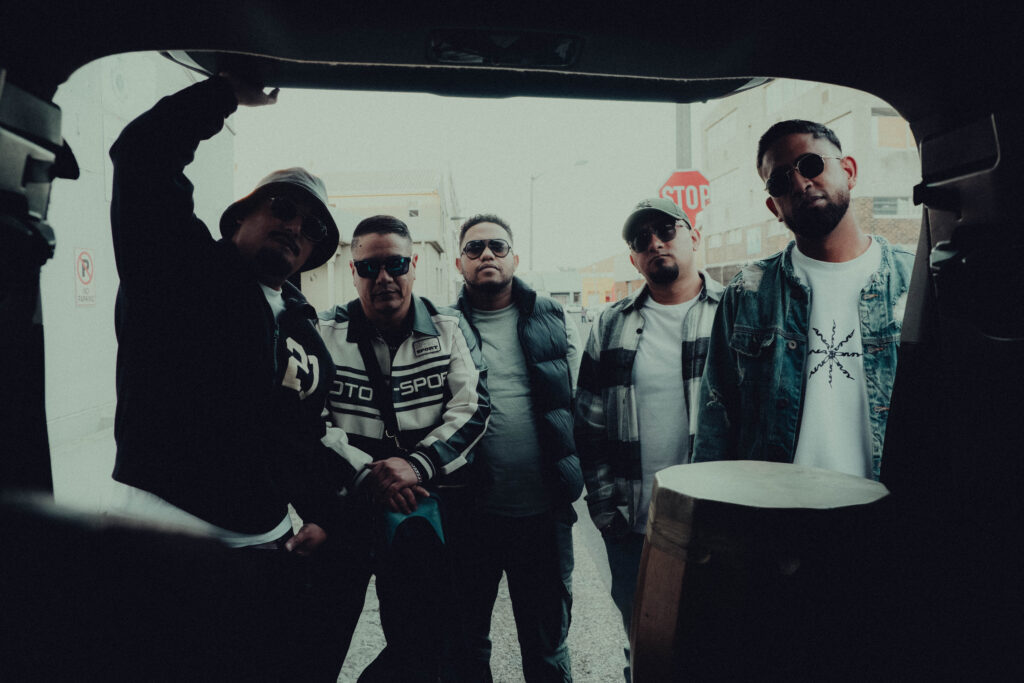
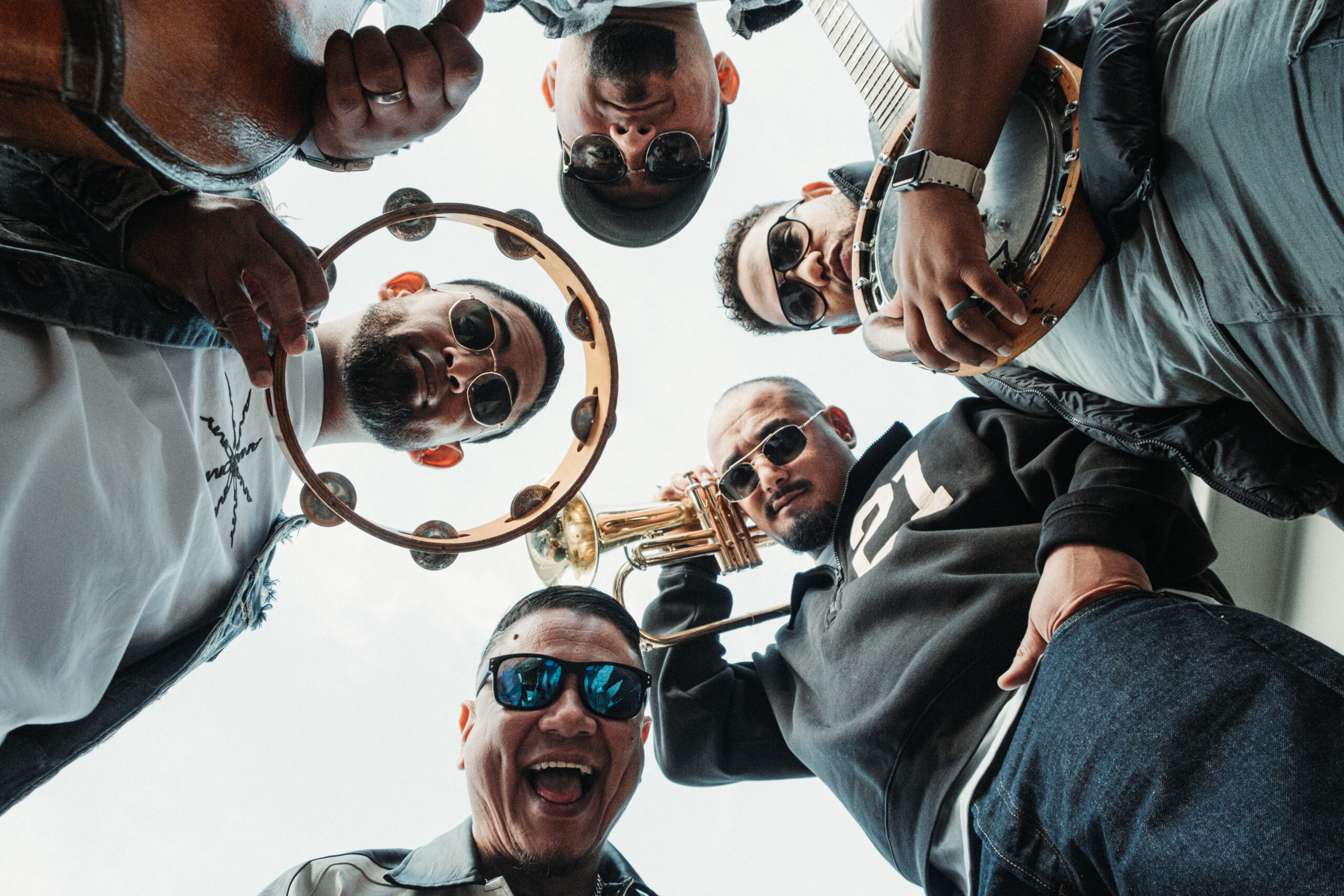
In June–July 2026, six Cape music coaches will be hosted at Zuid-Afrikahuis for a two-week residency. During this time, they will connect with Dutch-based youth from Surinamese, Caribbean, Moluccan, and Indo-European diasporas — communities that also carry the legacies of enslavement and displacement. Together, they will reflect on their shared and divergent histories and collaborate on the creation of new musical and narrative works.
Zuid-Afrika Huis provides a meaningful site for this work. As a physical and symbolic space for Cape Dutch exchange, it offers the ideal setting for performances and conversations. The archive will expand its existing collections to reflect a broader spectrum of South African cultural heritage, opening up new opportunities for dialogue, co-creation, and continued exchange. In this way, the project amplifies the Huis’s vision to serve as a nexus between communities, disciplines, and generations.
This is not just about preserving what has been forgotten — it’s about building something new. The Frequency of Freedom is a bridge between generations, geographies, and communities. It allows youth from both sides of the colonial divide to explore identity through music and storytelling, and it invites Dutch institutions and the public to see history not as a closed chapter but as a space for creative and critical engagement.
About the Project
While the Nederlands Liederen (Dutch songs) of the VOC era have largely been lost to the public imagination within the Netherlands, they survive today in Cape Town South Africa as a vital, living archive. Passed down through centuries of oral tradition within the Cape Malay and creole communities, these songs serve as powerful historical vessels of memory, continuity, and resistance for the descendants of enslaved populations.
This July, in the spirit of Keti Koti, a quintet of elite vocalists and young cultural carriers from Cape Town will present a repertoire of these preserved melodies. This performance offers a profound exploration of how marginalized communities have navigated, reclaimed, and transformed colonial linguistic and musical forms. Far from mere historical artifacts, these songs are deeply intertwined with the region’s complex histories of colonial labour, forced migration, and ongoing processes of emancipation.
Curator/Producer: Wisaal Abrahams (IISG Global Slavery Fellow, MA Candidate Visual Arts Stellenbosch University)
Rafeeq Domingo: Nederlands Singer & Coach
Wazier Salie: Drummer
Ameen “Bruno” Hernandez: Musical Director/Soloist
Abdu-Daiyaan Floris: Bass/Soloist
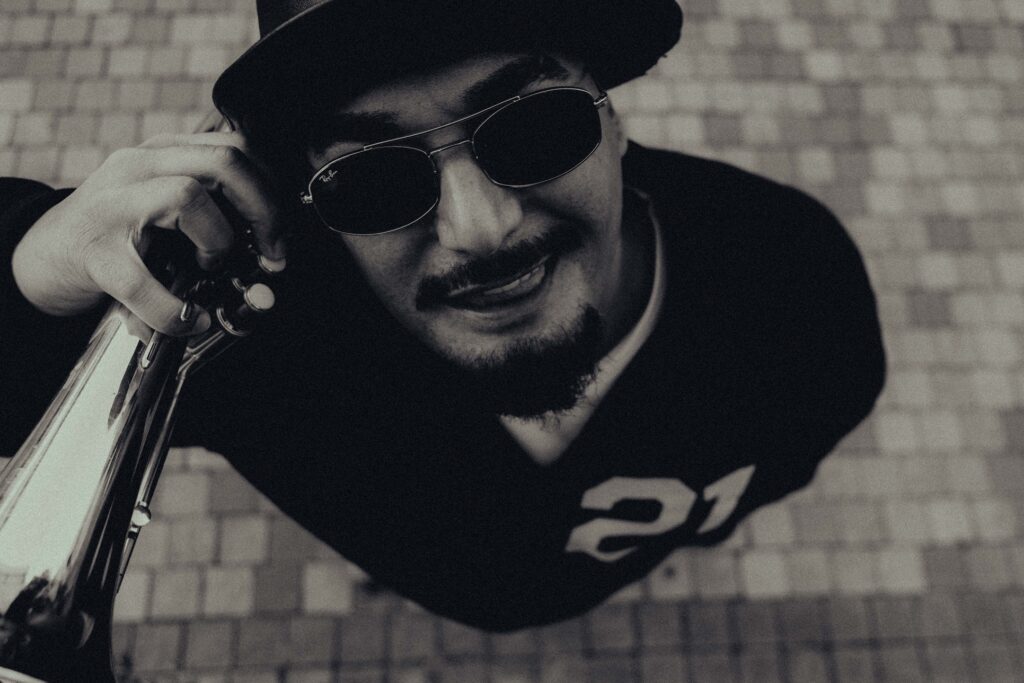
Taurik “Tolla” Blignaut: Kaapse Klopse Coach
Programme
| Date | Location |
| 1 July | Keti Koti March |
| 2 July | IISG concert |
| 3 July | Framer Framed concert |
| 4 July | Mauritshuis afternoon jam |
| 7 July | Mauritshuis Evening Concert (email for details) |
| 9 July | KITLV concert |
| 10 July | Zuid-Afrikahuis concert |